 By Ayesha Mughal
In the rapidly changing realm of sports broadcasting, Star Sports has proven to be a giant. It started in the early 1990s and soon became a global company. Star Sports changed not only the way fans watched but also the way they experienced and celebrated their favorite games. With its solid application all over Asia and its associations with international leagues, Star Sport is setting new boundaries in sports entertainment.
By the use of innovation, technology, and fan engagement, Star Sport has become a brand that consumers recognize live sports action and enthusiastic commentary with. It has not just won over millions of people, but also marked a higher standard for other channels like Ten Sports, Sky Sports, and Fox Sports.
The Early Days — From Ten Sports to the Rise of Star Sports
In the past, before Star Sports, the global television dominated by networks such as Ten Sports and DD Sports. Ten Sports, which began operations in 2002, very soon was the channel for cricket lovers in South Asia. Its coverage of cricket tournaments mostly, along with that of football and wrestling made the channel a favorite in every household. Nevertheless, the landscape of sports broadcasting was undergoing a very rapid change. Star Sports, upon entering the arena, brought in with it new vigor, state-of-the-art production techniques, and wider coverage. The audience was spellbound with the professionalism and global approach of Star Sport, which made it different from the old-style networks like DD Sports and Yahoo Sports.
Star Sports’ Entry and Expansion
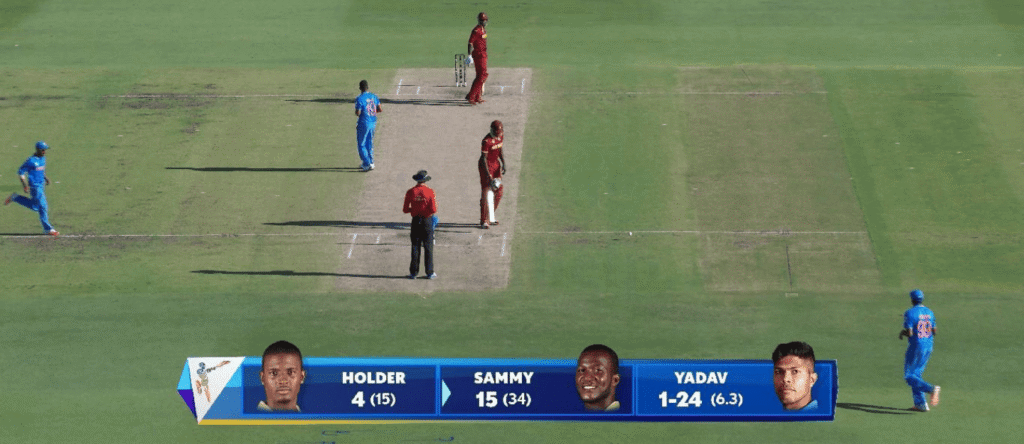
Star Sports, when it was officially launched under the Star TV network, very quickly started to transform sports broadcasting. Initially Star Sports had huge sports rights, mainly through its alliance with ESPN, due to the merger and acquisition strategy. By broadcasting and multi-lingual commenting in high definition, Star Sports became the most preferred sports channel for hundreds of millions of fans from India, Pakistan, and the Middle East. The ability to fuse the entertainment aspect with the live coverage soon created a new viewing culture that was liked by global audiences.
The Rivalry — Star Sports vs. Global Giants
With further expansion, Star Sports encountered heavy competition from the likes of international broadcasters such as Sky Sports, Fox Sports, and BeIN Sports. The competition was fierce as well as intense, and at every stage new strengths were being added to the competing networks, from advanced sports analytics to fan engagement through immersive tools.
Sky Sports — The European Benchmark
Sky Sports has been a major player in the UK for many years, and the network still has the exclusive rights to Premier League, Formula 1 and golf tournaments broadcasting. Star Sports was about to attract European viewers when the latter focused heavily on the cricket and regional sports in Asia. The competition between the two networks is strife between the coolness of European precision and the warmth of Asian enthusiasm.

Fox Sports and BeIN Sports — Global Expansion
Fox Sports became an important player in sports broadcasting in North America and Asia-Pacific before changing its identity to Disney. On the other hand, BeIN Sports, located in Qatar, concentrated on supplying first-class global sports content to the Middle East and North Africa. Even though the two companies had a world class area of operation, Star Sports was still able to stay primarily in the Asian market with its audience through content and commentary that were culturally appropriate, partnering with local entities, and forming relationships with the communities.
The Digital Era — How Star Sports Leads Sports Today
During the digital revolution, Star Sports has been very adaptive and quick to changing the current situation. Its live steam on Disney+ Hotstar transformed sports consumption by opening live events to be watched anywhere and at any time. Now fans are no longer limited to watching through conventional TV broadcasts— besides, they can enjoy Sports Live, highlights and expert analysis besides or in between the major networks.
The Role of Social Media and Sports Direct
Famous for giving real-time updates, Sports Direct and Yahoo Sports, were among the platforms competing against Star Sports that integrated social media into their programs. Thus, an active and fun fan experience was created, and the viewers could discuss, share, and be a part of sports moments instantly.
Star Sports and the Era of Mobile Streaming
Star Sports has become the most accessible sports channel through mobile streaming. Each day millions are the viewers who watch cricket, football, or kabaddi matches on their mobile phones or tablets. The switch from TV has not only allowed for an increased engagement but also put Star Sports at the forefront of the modern sports media market.
Technological Innovations
Star Sports always employs the latest technology from ultra-HD broadcasts through interactive scoreboards and expert panels to constantly improve the customer’s satisfaction. The innovations are such that they make the watching of Sports Live a richer and more immersive experience.
Star Sports’ Influence on Sports Culture
The effects of Star Sports are not only on the television screen but also in the wider society. It has turned into a cultural icon that dictates the global arena for discussing, promoting, and celebrating sports. Star Sport dynamic presentation and storytelling style have been the major factors behind the success of the Indian Premier League (IPL) and ICC tournaments.

The Power of Localized Content
Star Sports has engaged all the more with the different localities by giving commentary in the respective languages and putting the local sports events at the center of their attention. Sports in India, Thailand, or Bangladesh have created a connection among people through sports by Star Sports.
Collaborations with Sports News and Sports World
Star Sports has made it possible for the fans to stay updated and entertained by collaborating with Sports News and Sports World platforms. The combination of worldwide news coverage and local expertise has made Star Sport an unbeatable leader in the sector.
Conclusion
The transition from Ten Sports to Star Sports is not just about the progress of sports television but also the tale of creativity, persistence, and foresight. While the likes of BeIN Sports, CBS Sports Network, and Sky Sports still have a say in the global market, Star Sports has managed to create its dominion. With its focus on tech, cultural relevance, and fan engagement, Star Sport is leading the way in the Sports Today revolution.
Its capacity to marry tradition with technology means it will remain the king of the Sports World for many more years to come. As we move forward, one thing is certain — Star Sport is not only presenting sports; it is influencing the very future of global sports entertainment.